
Outsourcing Software Development
Software Vendor Accountability: Name Your Engineers
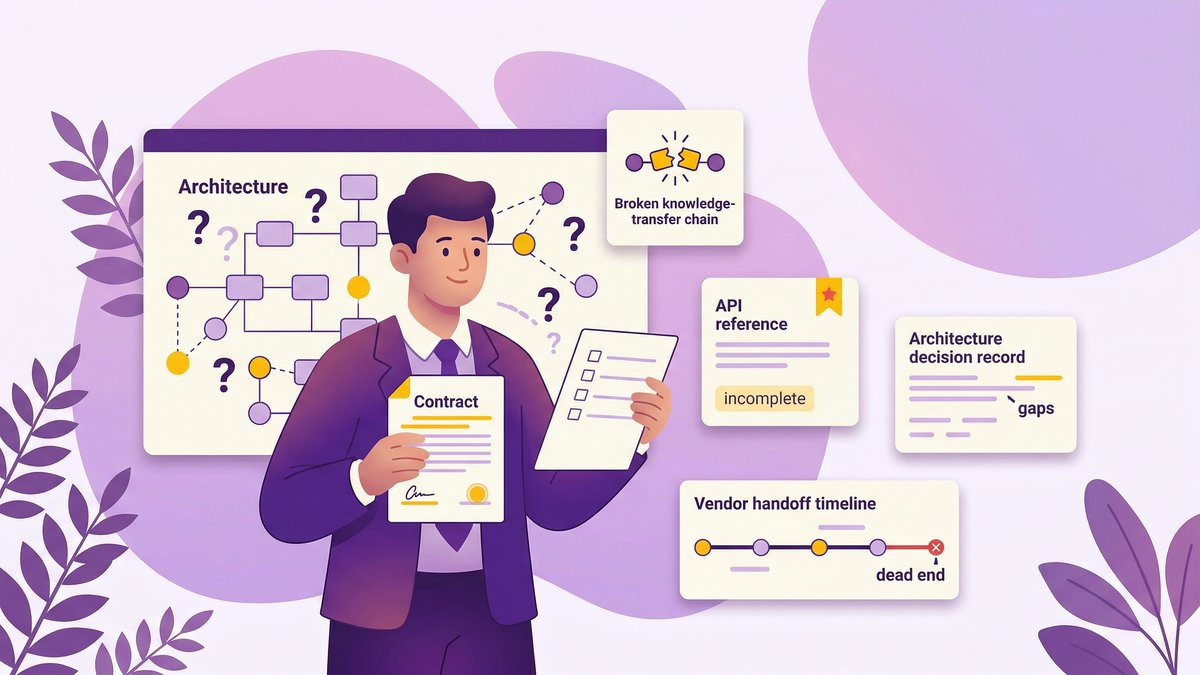
Software vendor accountability fails when nobody governs your actual roster. See the sprint-level signals that catch a silent engineer swap before it costs you.
Articles from the Nexa Devs team on legacy modernization, AI readiness, software delivery, and engineering partnerships.
Software vendor accountability fails when nobody governs your actual roster. See the sprint-level signals that catch a silent engineer swap before it costs you.
Technical due diligence in 2026 prices key-person risk into your valuation. See what reviewers check and how documentation protects the deal and your business.
Unused Copilot licenses drain mid-market AI budgets when seats sit idle. Learn why placement, not training, fixes adoption and cuts wasted AI spend fast.
The copper retirement FCC order 2026 cut your filing window. Mismatched line records, not fiber readiness, are what put your compliance notices at risk now.
Slow release cycles usually aren’t a developer problem. See the real mechanism behind 12-week features and four questions that reveal your cost of change.
Disconnected systems cost mid-market teams real hours and real dollars each week. Learn how to measure your integration tax and close the gaps causing it.
Nonprofit CRM integration doesn’t require a new platform. See what donor data silos really cost your team, and how to connect the systems you already run.
Institutional knowledge loss doesn’t have to blindside your business. See how mid-market leaders turn engineer retirement into a scheduled transition.
MVNO billing modernization doesn’t need a risky platform rebuild. Learn how mid-market carriers fix eSIM and IoT billing gaps without ever going dark.
Switching development vendors doesn’t have to mean losing your system. This playbook covers governance, audits, parallel runs, and a clean cutover for CTOs.
A business-critical spreadsheet with no owner or documentation is a bus factor of one waiting to break. Here’s how ops leaders replace it without downtime.
SIS Migration in Higher Education: Modernize First Anthology’s SIS and ERP business now belongs to Ellucian, and more than 260 higher education institutions woke up to a new vendor roadmap they never voted on.
AI agent access control is the plumbing gap turning agent pilots into breaches. See how scoped identities and MCP tool interfaces close it before launch.
A legacy migration strategy built on one big cutover usually fails. See why incremental delivery and the strangler fig pattern ship faster, safer projects.
Institutional knowledge loss starts the moment your engineer resigns, not two weeks later. See why the handover fails and what actually protects your systems.
Sidecar core banking lets mid-market banks modernize without rip-and-replace risk. See how the strangler-fig strategy protects operations and your budget.
AI code review bottleneck is why mid-market teams feel faster with AI but ship slower. Learn the system fix that scales review with generation and cuts risk.
SaaS sprawl costs mid-market companies more than wasted licenses. Learn what’s driving redundant tools and the structural fix audits alone can’t deliver.
Body shop outsourcing sells developer hours by the seat. Agentic AI just commoditized that capacity, and outcome-based delivery is replacing the model in 2026.
EMR lab integration gaps mean manual rekeying and duplicate patient records. Here’s how mid-market providers close the gap without replacing the EMR system.
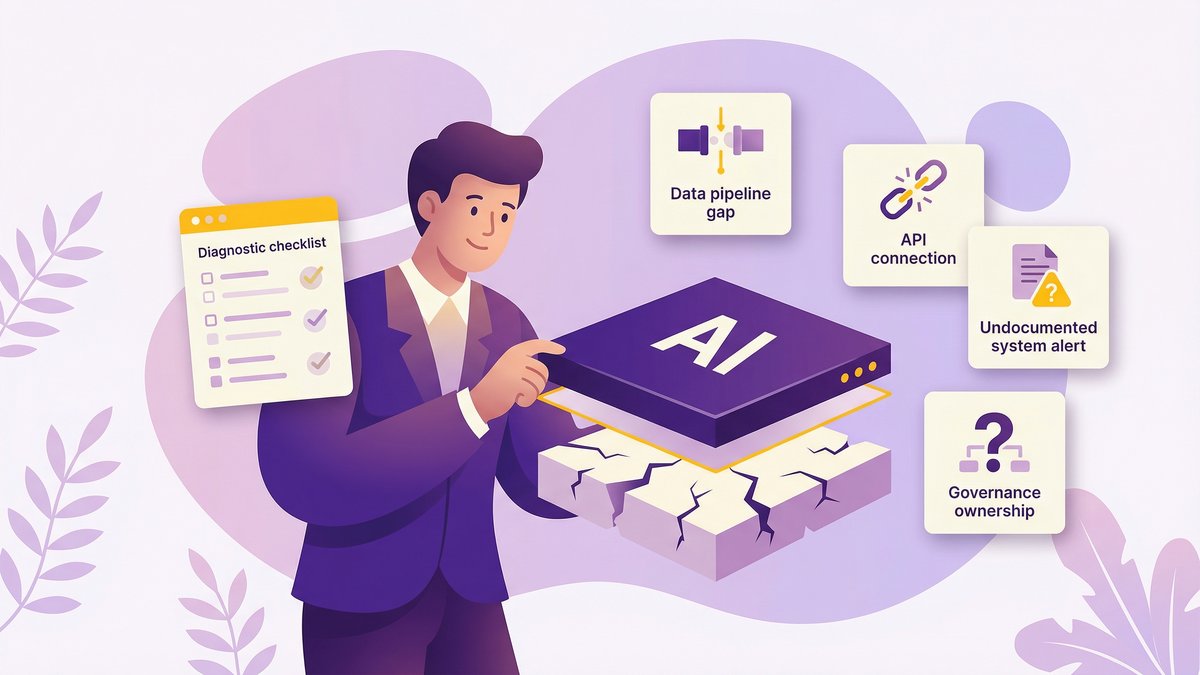
AI-ready data determines whether your AI pilot reaches production. Learn why mid-market AI projects stall and how to build a data foundation that actually ships.
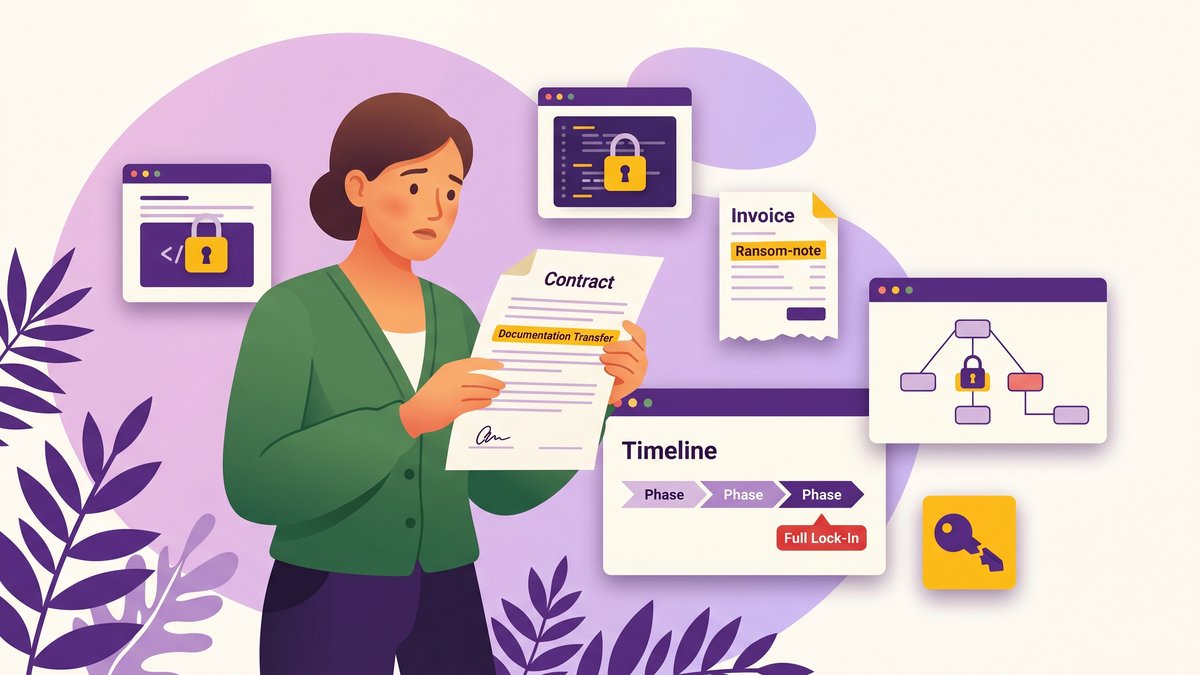
Vendor lock-in in custom software development keeps consultants billing by the hour for knowledge they never transferred. Here’s how to stop it.
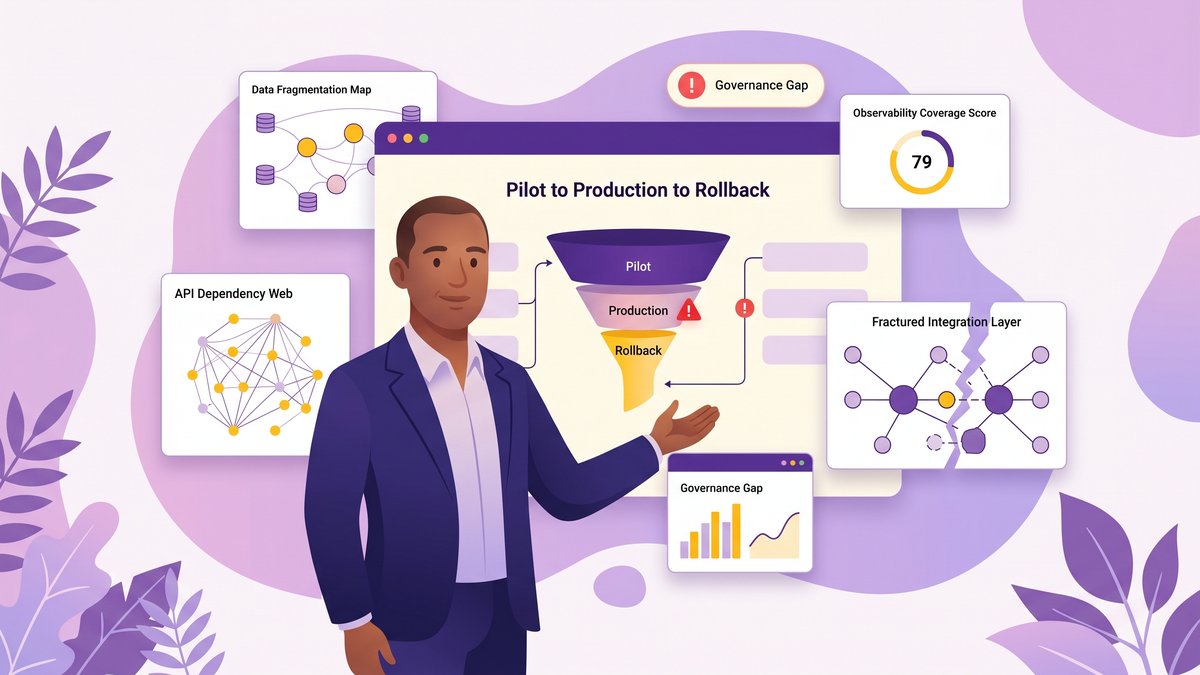
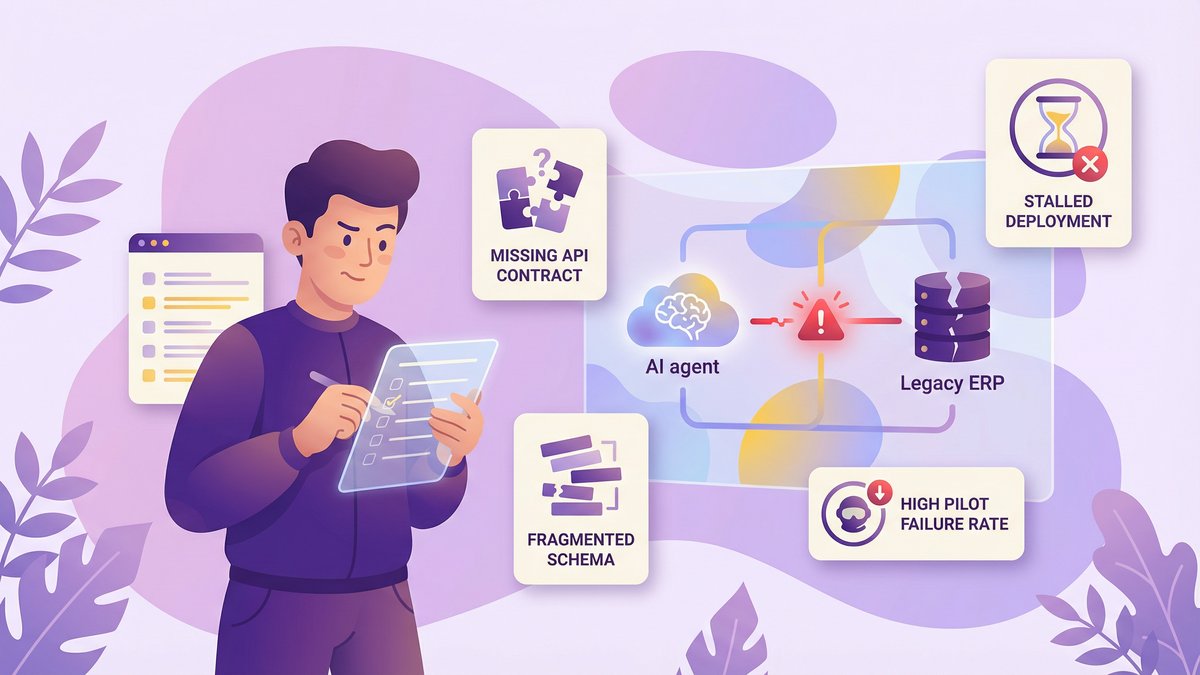
Enterprise AI agents production failure hits 74% of companies. Learn why infrastructure, not the model, causes rollbacks and how to deploy successfully.
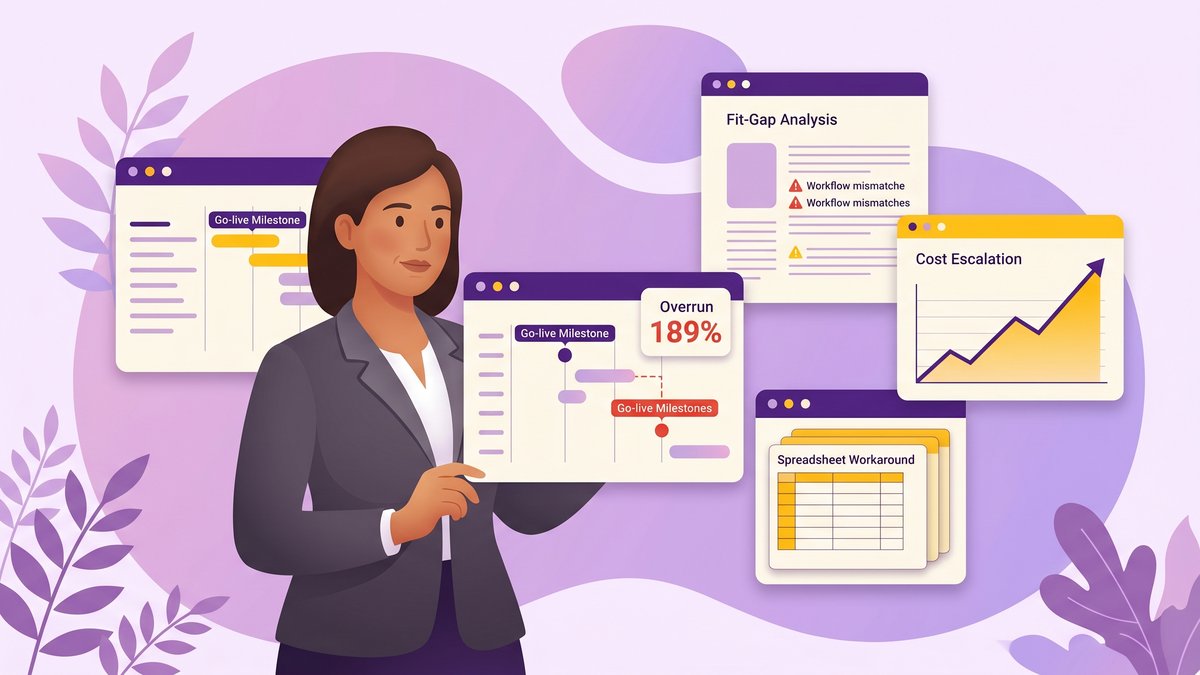
ERP implementation failure hits mid-market companies hardest. Learn why packaged software forces workflow change and what to build instead.
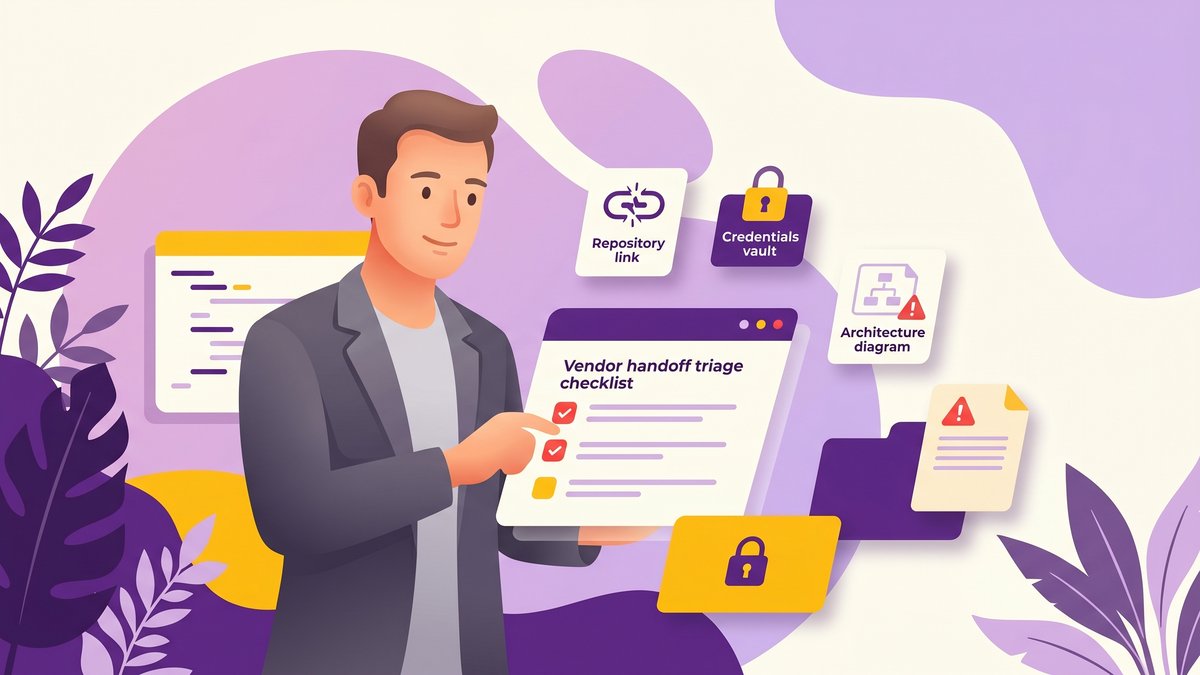
Vendor handoff checklist for software development: what to do when your vendor disappears, the recovery audit, and how to prevent it from happening again.
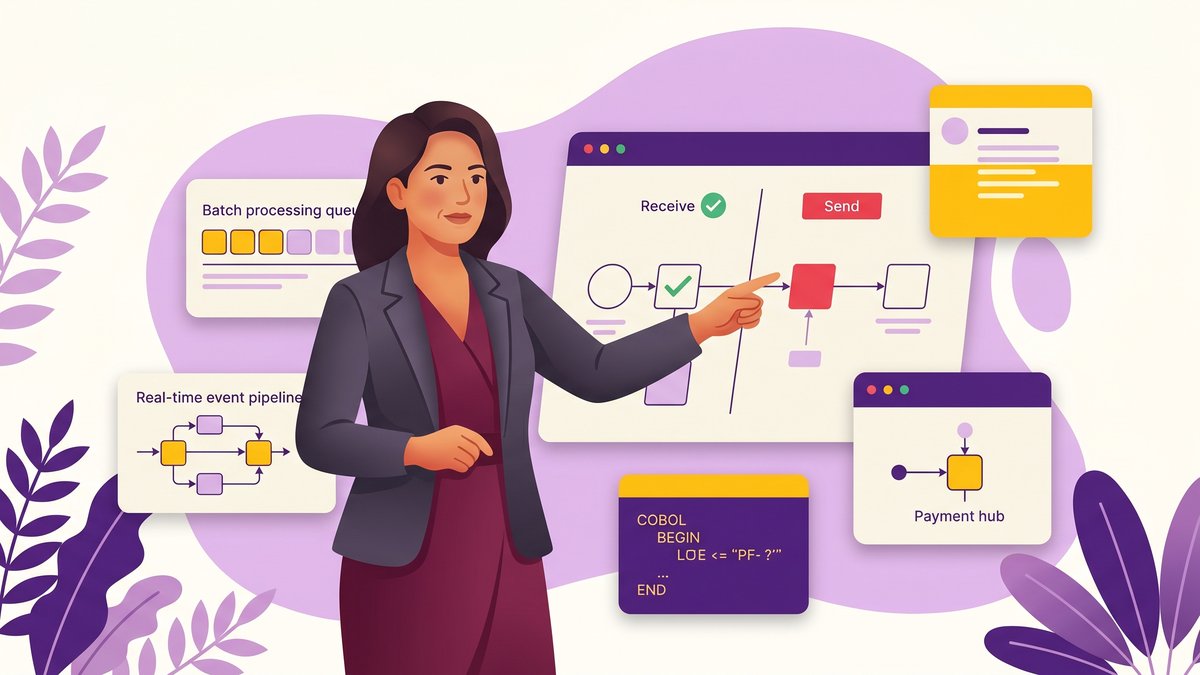
Core banking modernization for mid-market banks: why the FedNow send gap reveals deeper legacy infrastructure risks, and three paths forward.
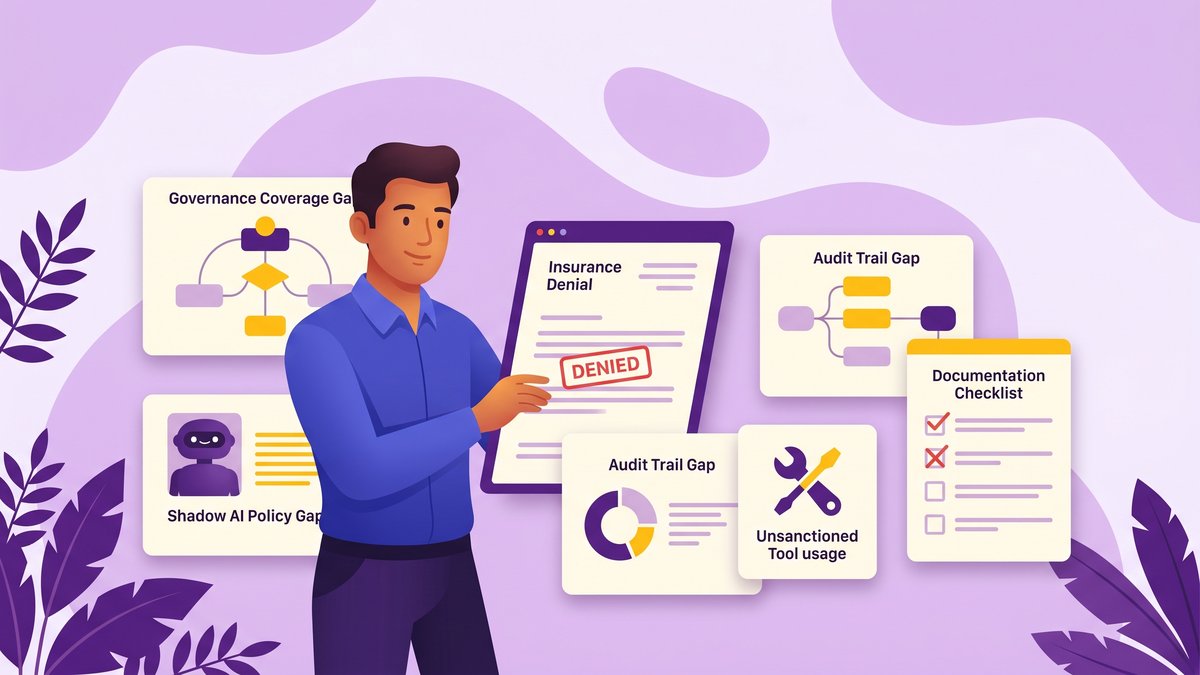
Cyber insurance AI denial is rising as insurers screen for AI governance docs at renewal. Here’s what mid-market companies must document before the next breach.
AI-assisted technical documentation helps mid-market teams recover lost knowledge from black-box systems. Learn the 30-day sprint playbook and when it pays off.
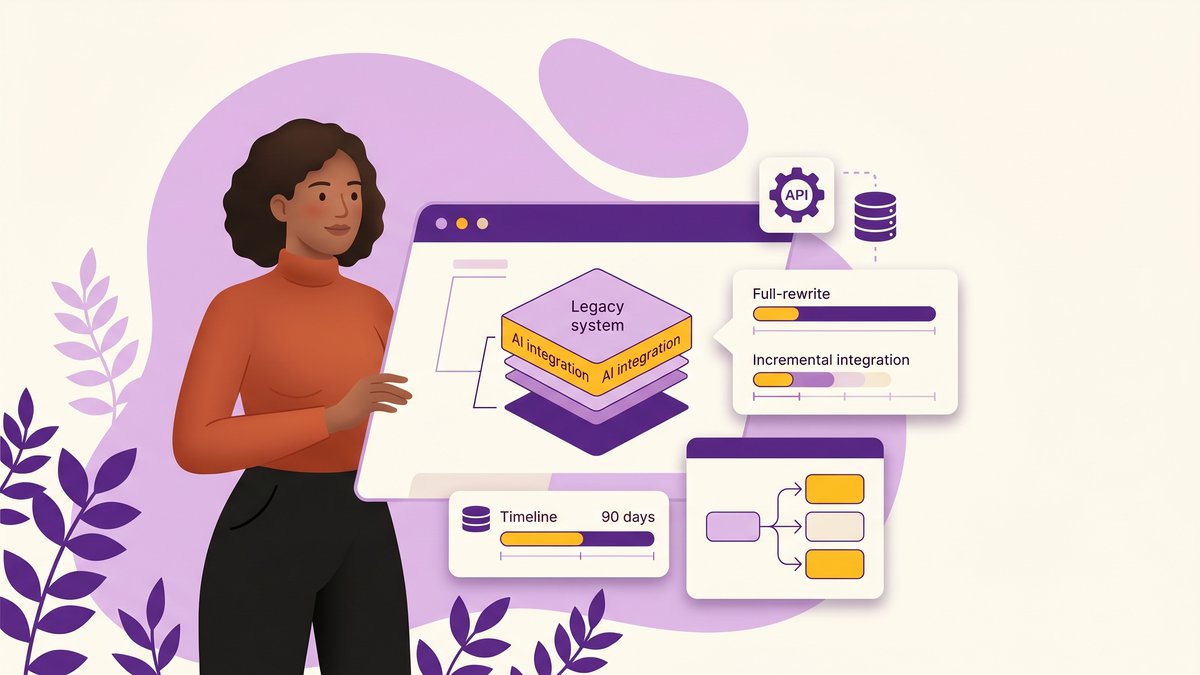
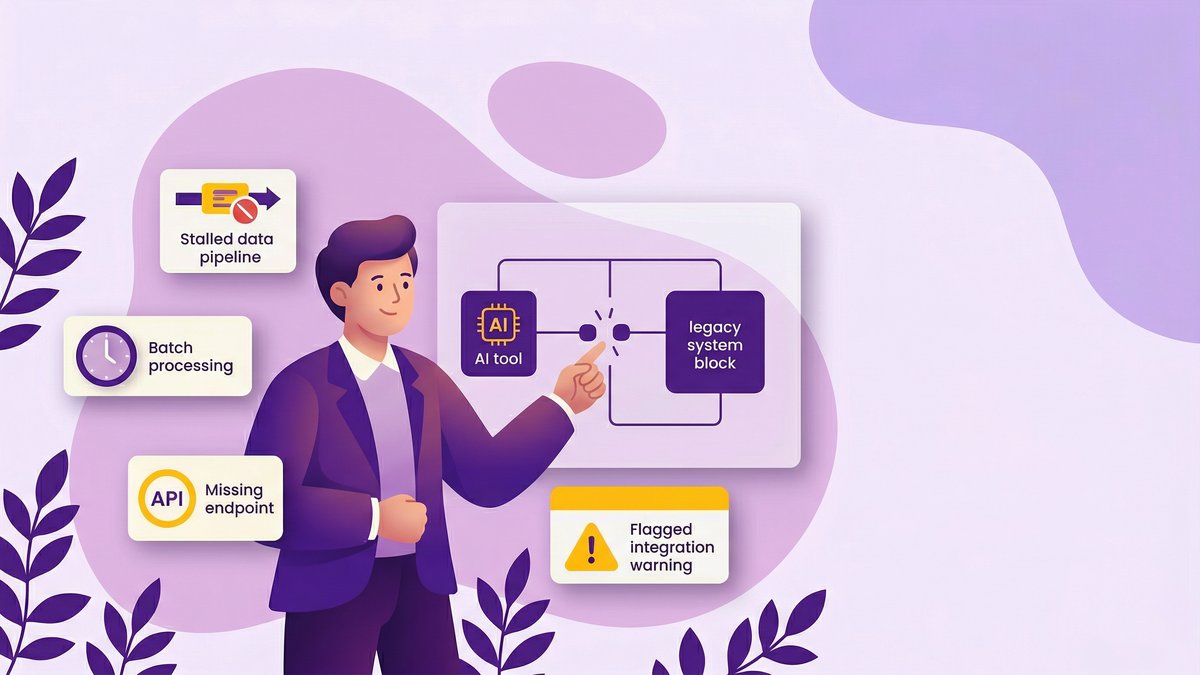
AI legacy integration doesn’t require a full rewrite. Here are four proven patterns mid-market CTOs use to add AI capabilities to existing internal systems.
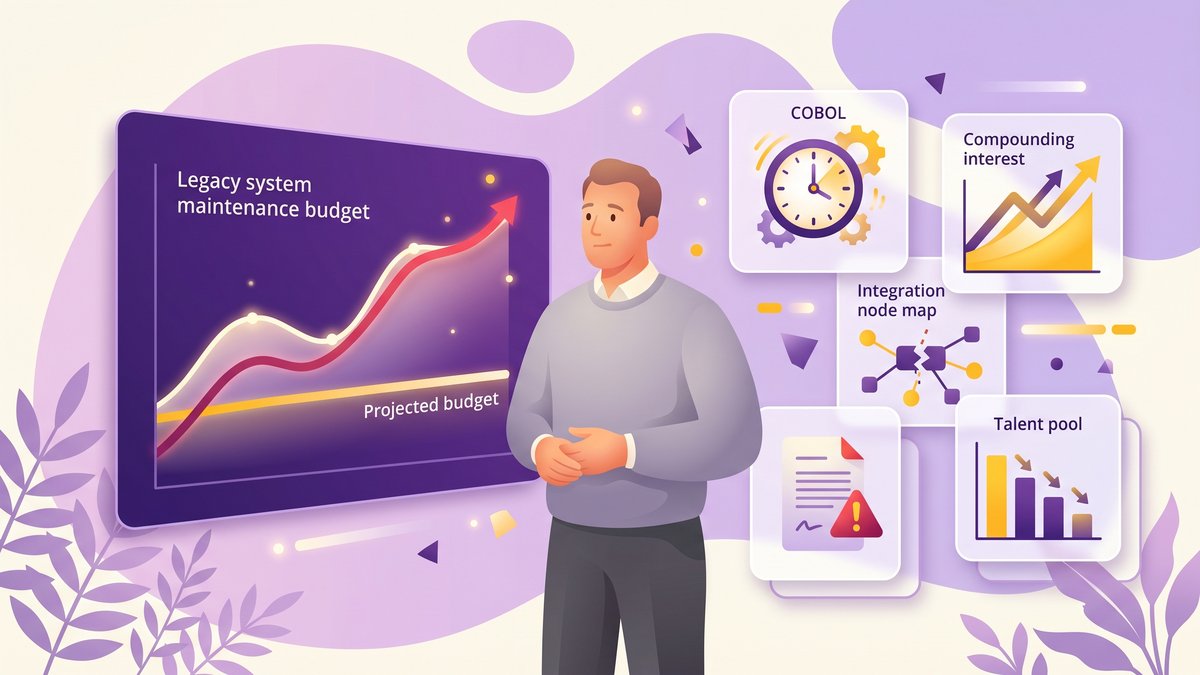
Legacy system maintenance cost in 2026 is rising 18-25% for most mid-market firms. Here’s what’s driving it and how to stop the compounding.
Vendor lock-in in software development traps mid-market companies renting their own code. Learn what real IP ownership requires before you sign.
Nonprofit AMS customization problems compound silently until no one can pull a donor report without a consultant. Here’s how to recognize the trap and get out.
Agentic AI governance isn’t an IT problem. It’s an ops problem. Your team is already running agents nobody approved. Here’s how to get control.
AI layoffs are creating an institutional knowledge crisis in software systems. Learn what companies lose, the true cost, and how to protect your business before it breaks.
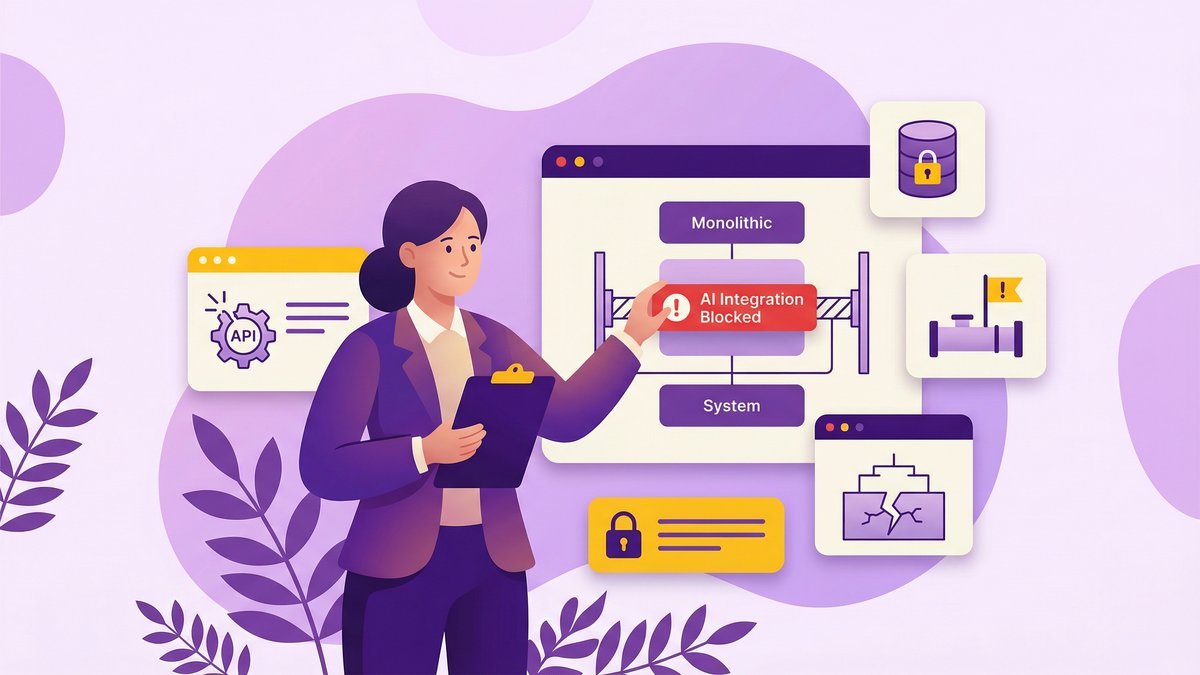
Your legacy system AI barrier is costing more than maintenance. Learn why mid-market stacks block AI, and how to fix both in one engagement.
Your code ownership contract determines who controls your software after delivery. Learn the exact IP clause 39% of companies miss and what it costs them.
Your research administration legacy system still runs. The developer who built it left three years ago. Here’s what that silence is actually costing you.
Replace spreadsheets with software before a single cell error costs you a client, a compliance audit, or a key employee. Here’s the COO’s case for acting now.
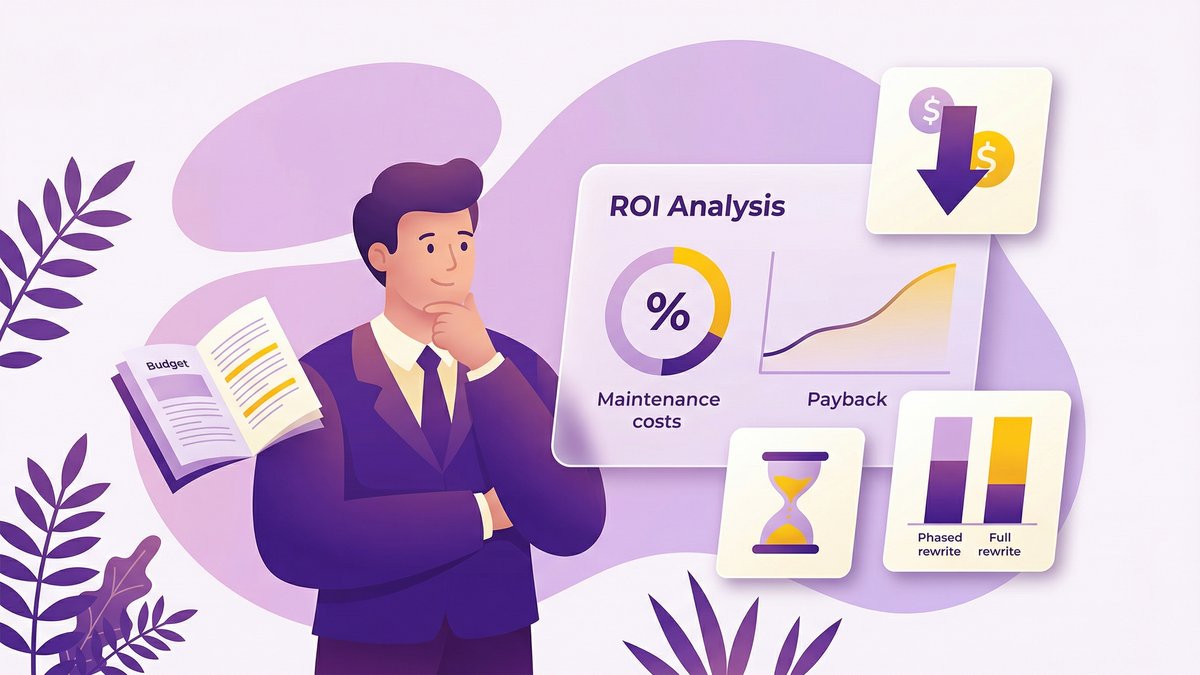
Technical debt ROI isn’t just an IT metric — it’s a P&L problem. This CEO framework shows you exactly what it’s costing and how to calculate the payback period.
Institutional knowledge loss in software development costs more than a key hire. Learn how to identify the risk, assess your bus factor, and protect your systems.
Legacy system AI integration fails when the foundation is broken. Learn what makes a system AI-proof and how to fix it without two separate projects.
Legacy modernization ROI explained with real mid-market numbers: costs, payback periods, CFO frameworks, and the AI-augmented delivery difference.
AI readiness assessment reveals why 80% of AI projects fail before launch. Learn the 5 dimensions, mid-market gaps, and take our 5-question CEO self-test.
Legacy AI integration fails when infrastructure can’t support it. Learn why legacy systems block AI — and how to fix the foundation while you build.
Staff augmentation vs dedicated team: the real question isn’t cost, it’s accountability. Learn the framework every mid-market CEO needs before signing.
AI readiness enterprise starts with your stack, not your tools. Here’s why legacy architecture blocks AI initiatives — and how to fix it without stopping the business.
Outsourcing software development without documentation standards is how CTOs end up locked in. Here’s the framework to protect your codebase.
AI legacy modernization in 2026 is a timed window—60% of budgets still fund maintenance. Here’s why mid-market CEOs can’t wait.
AI agents and legacy systems don’t mix by default. Learn why most deployments stall — and what infrastructure your stack actually needs first.
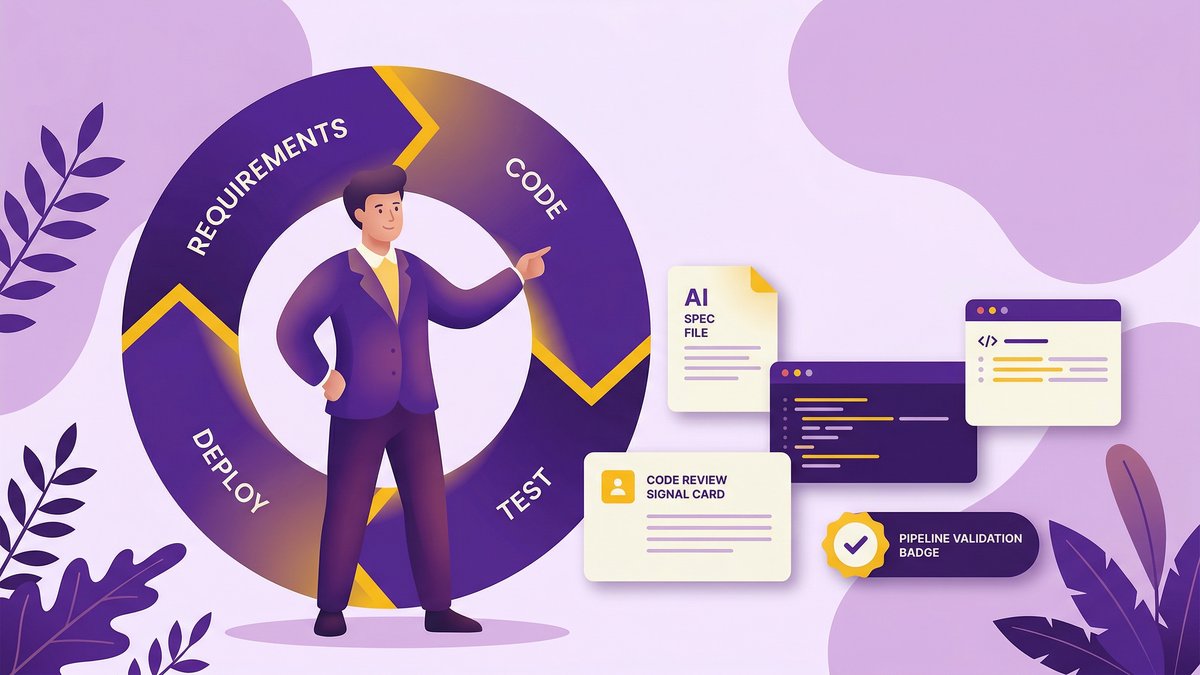
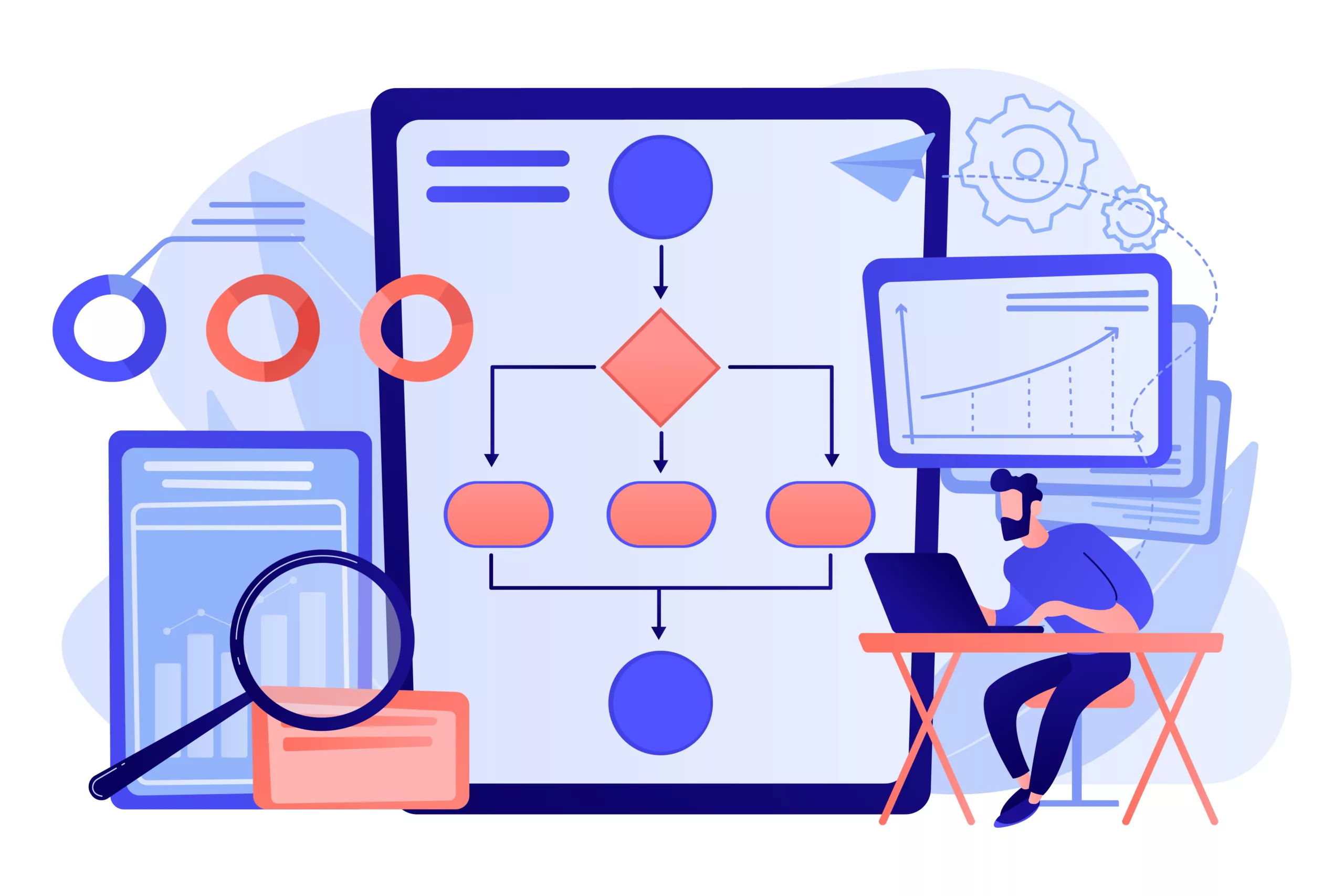
AI-augmented SDLC is eliminating phase handoffs and collapsing software delivery into one continuous flow. Here’s what CTOs need to know.
Technical debt cost is draining mid-market companies $5.4M–$10M per year. Learn what it’s really costing you — and how AI-augmented modernization fixes it.
Legacy systems AI integration fails when the stack isn’t ready. Learn why AI pilots stall and how AI-augmented modernization fixes the foundation.
Legacy system AI integration is blocking your AI roadmap. Here’s why aging infrastructure can’t support AI agents — and the incremental path forward.
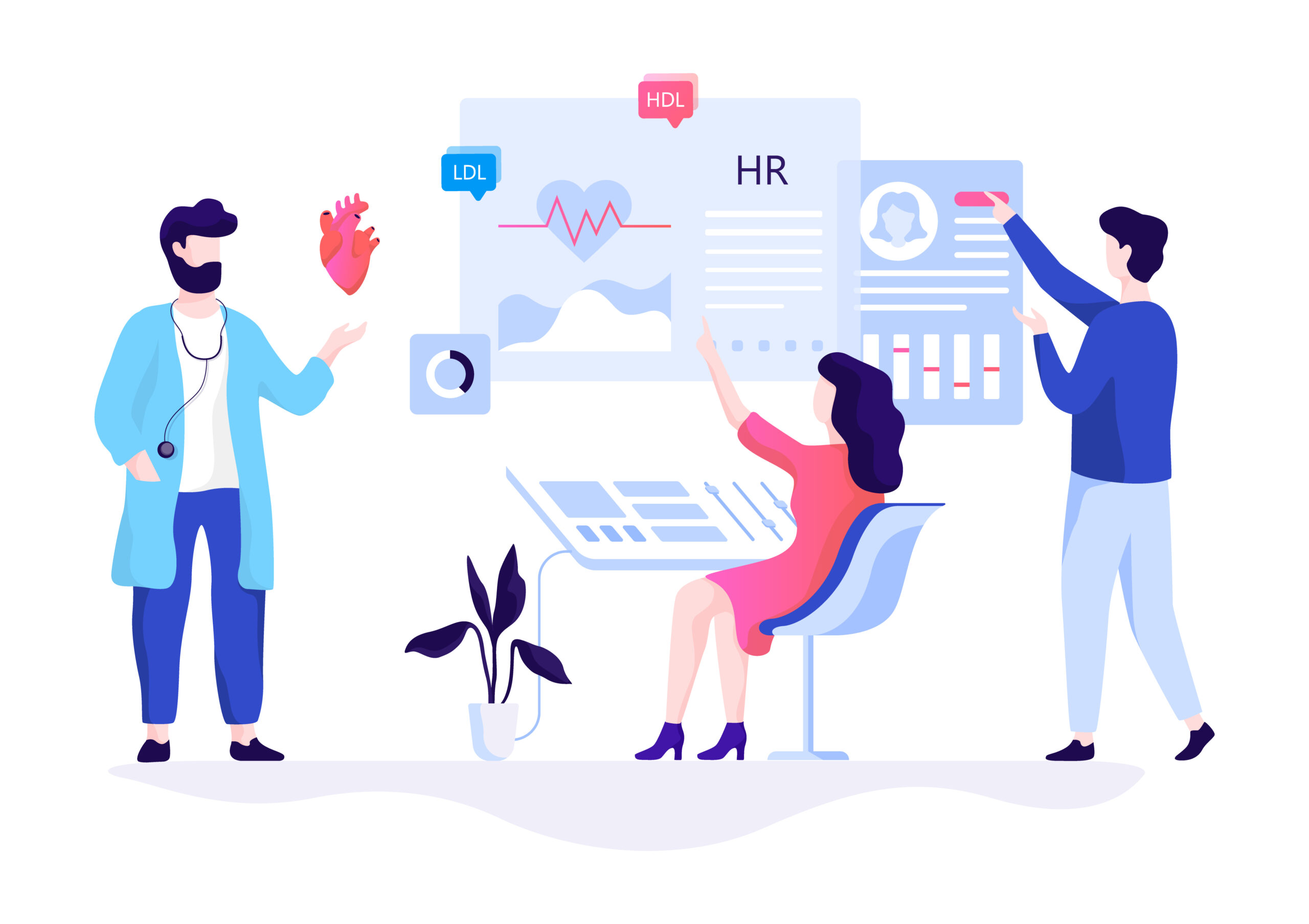
The healthcare industry is undergoing a digital transformation. Software solutions are at the forefront of this change. They enhance patient care and streamline operations. Aging systems in healthcare need modernization. Custom solutions are key to addressing unique organizational needs. They offer
Artificial intelligence is reshaping the business landscape. AI business automation tools are at the forefront of this transformation. They streamline operations and boost efficiency. AI tools automate repetitive tasks. This allows employees to focus on strategic activities. The result is increased
Building a custom AI agent can transform your business operations. It offers tailored solutions to meet specific needs. AI agents are not just for tech giants anymore. They are accessible to businesses of all sizes. With the right approach, you can create an AI agent that enhances efficiency. It can automate complex tasks and improve decision-making.
Custom application development is pivotal for businesses aiming to tailor technology to their unique needs. This process involves creating software solutions specifically designed to meet the specific requirements of a business. Unlike generic software, custom applications are not one-size-fits-all. They are crafted to align with a company’s specific workflows and processes. This ensures that the software fits perfectly within the existing business framework.
n software development, testing is a crucial phase. It ensures that the software operates as intended and satisfies the user’s needs. Two primary methods exist for testing software: manual and automated. Both have their unique strengths and weaknesses.
Automated application testing is a critical component in the software development lifecycle. It’s a process that leverages automated tools to execute pre-scripted tests on a software application. The goal is simple: to increase efficiency, improve accuracy, and deliver high-quality software products. However, implementing test automation is not without its challenges. Many projects encounter pitfalls that can derail their automation efforts.
Navigating the IT staffing industry is challenging. Specialized agencies help companies find skilled tech talent faster through proven and efficient hiring methods.
Understanding the cost factors involved in custom software development projects is crucial. It helps businesses budget effectively and assess the value of their investment. The cost of custom software development can vary widely. It depends on factors such as project scope, complexity, and duration.
Emerging technologies like AI and machine learning are playing a significant role in this transformation. They are reshaping the landscape of healthcare software development.
In the healthcare sector, efficiency and accuracy are important. Custom hospital software solutions can play a crucial role in achieving these goals. Partnering with a custom hospital software development company can bring numerous benefits. These companies specialize in creating software tailored to the specific needs of a healthcare facility.
Outsourcing software development has become common at the business level. This strategy helps companies acquire specialized skills, lower costs, and reduce project time. However, it has its difficulties.
In this blog post, we’ll explore cutting-edge web development stacks shaping and redefining the technological landscape in 2024.
Innovative strategies play a key role in building resilient teams.These strategies challenge traditional norms offering a fresh perspective on how IT staffing agencies can find and harness diverse talents for their teams.
Master the skill of gathering software requirements from non-tech clients. Part 2. A must-read for professionals. Software Architecture Design
Master the skill of gathering software development requirements from non-tech clients. A must-read for professionals.
Discover the benefits of hiring a dedicated development team for seamless project execution. Unlock growth potential with Nexa Devs.
Custom Software Outsourcing for business growth. Scale quickly and improve customer experience for increased profitability.
Engineering staffing agencies often provide offshore staff augmentation services, enabling businesses to tap into a vast pool of talent and expertise. These agencies typically handle all the logistics involved, from recruitment to onboarding, so you can focus on running your business.
Discover the benefits of offshore staff augmentation in software development. Access diverse talent pools and reduce costs with this flexible outsourcing strategy.
Are you planning a software development project but feeling overwhelmed by the complexity of defining its scope and budget? In this comprehensive guide, we will show you how to define the scope and budget of your software development project with ease. From identifying stakeholders and developing a scope statement to estimating costs and considering the software development cycle and process, we cover everything you need to know to ensure your project is a success.